+86-15997942336
sales@lx-htr.com
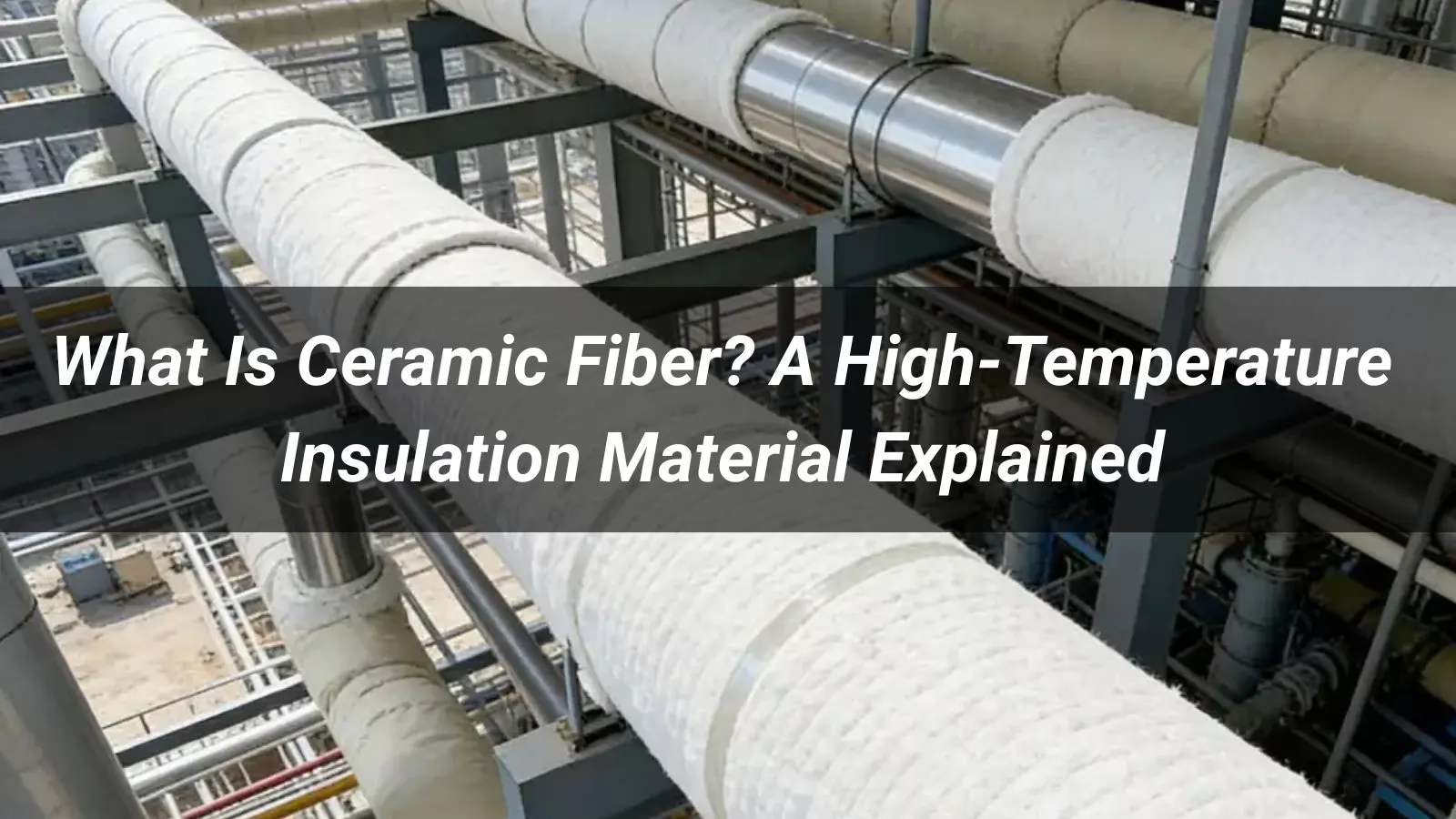
In industries such as steelmaking, glass production, petrochemicals, and aerospace manufacturing, thermal management is critical. One of the most widely used solutions today is ceramic fiber insulation, a lightweight and highly efficient material designed for extreme temperature environments.
It is the foundation of many modern insulation products, including the widely used ceramic fiber blanket insulation.
Ceramic fiber is a synthetic high-temperature material made from refined alumina-silica minerals. Through a fiberizing process, it forms fine, flexible fibers that can withstand extreme heat while maintaining low thermal conductivity.
Because of these properties, ceramic fiber materials are widely used for:
It is also the base material for products such as refractory ceramic fiber blanket and other insulation forms.
Ceramic fiber is widely used in thermal engineering due to the following characteristics:
It significantly reduces heat transfer, improving energy efficiency in industrial systems.
Compared with traditional refractory bricks, ceramic fiber is much lighter, making installation easier and faster.
It withstands rapid temperature changes without cracking or structural failure.
It heats up and cools down quickly, making it suitable for both continuous and intermittent operations.
It provides long-term thermal protection in demanding industrial environments.
Premium 1500℃ ceramic fiber blanket for industrial high-heat insulation.
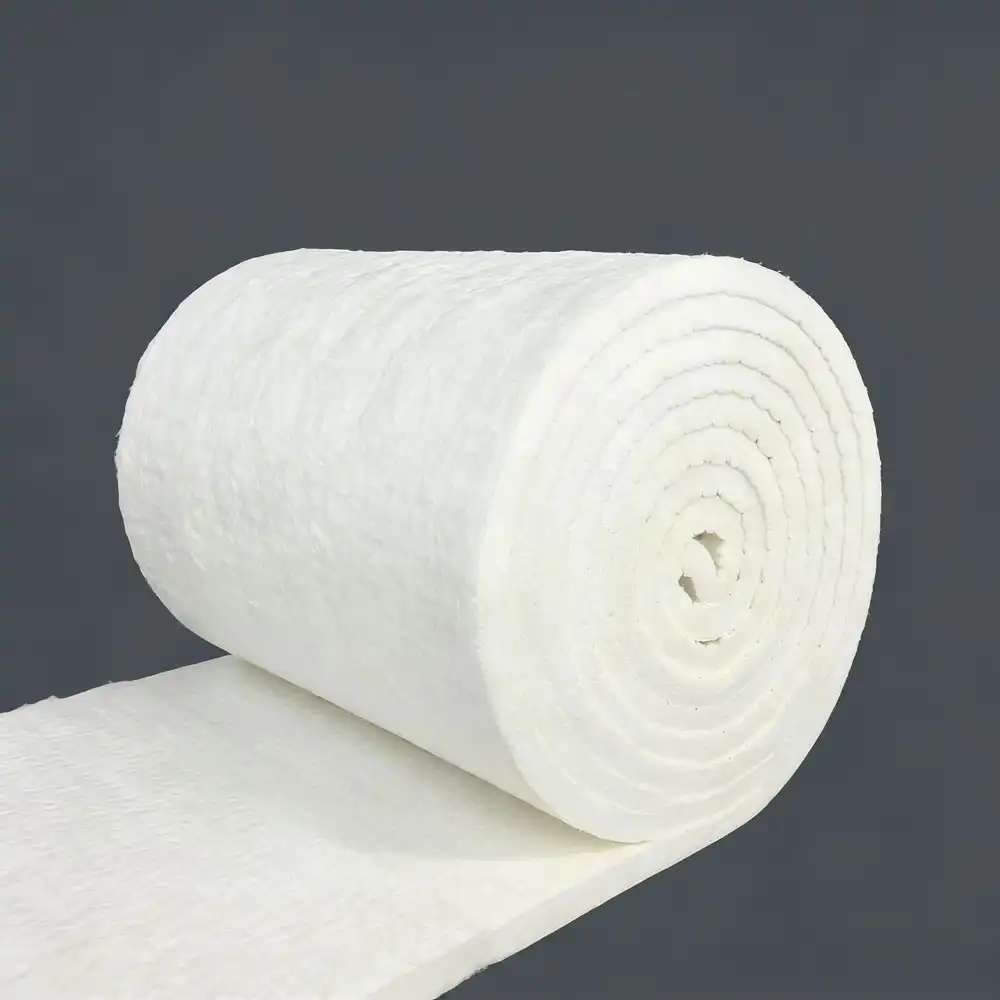
Ceramic fiber products can be classified into several categories based on chemistry and performance:
1. Refractory Ceramic Fiber
Used in extreme heat environments, often up to 1260°C–1425°C. This category is widely used in industrial furnace systems and thermal insulation structures.
2. Bio Soluble Ceramic Fiber Blanket
A more environmentally conscious option designed to dissolve in biological environments over time, offering improved safety in certain applications.
3. Polycrystalline Fiber Materials
Designed for ultra-high temperature applications requiring enhanced strength and low shrinkage.
Effectively reduces outer surface temperature on high-pressure steam pipelines.
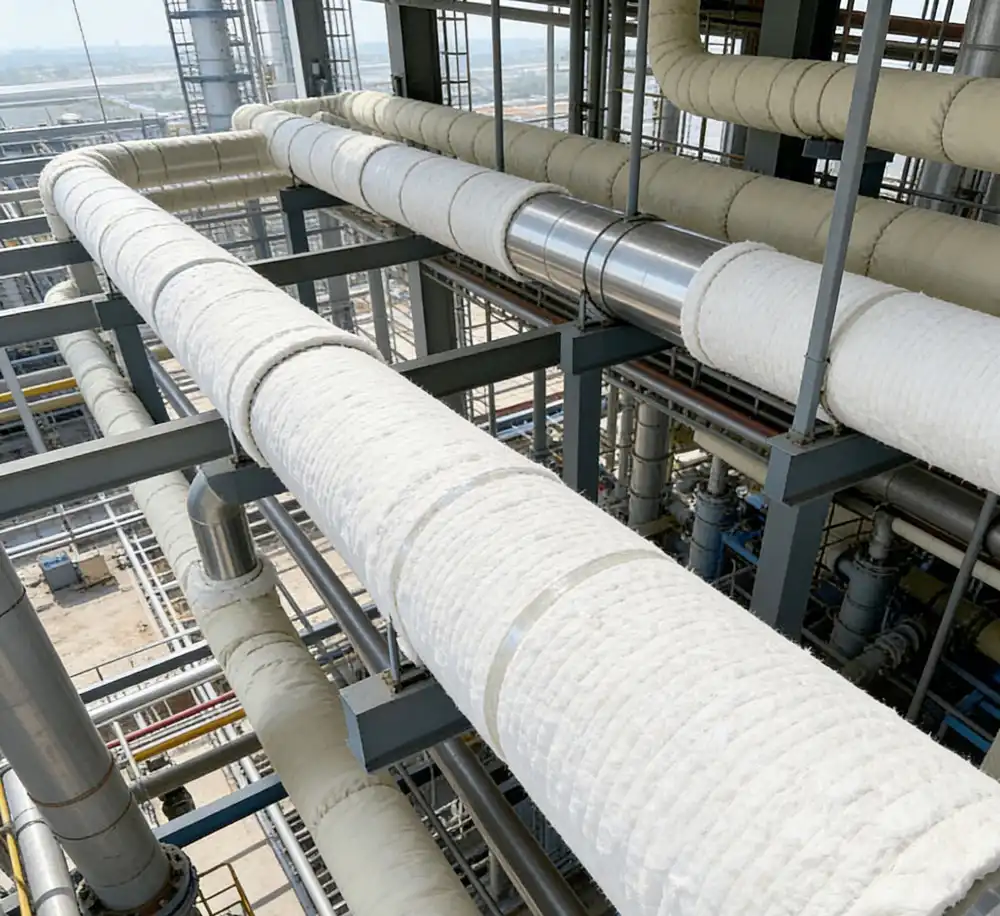
Ceramic fiber materials are manufactured into multiple industrial formats:
Among them, the most widely used industrial product is the ceramic fiber blanket, especially in furnace and pipeline insulation systems.
For a deeper understanding of real-world use, explore our guide on ceramic fiber blanket insulation applications in industrial environments.
Ceramic fiber is not just a raw material — it is the foundation of modern thermal insulation systems.
At LXHTR, we transform this material into high-performance solutions such as:
Ceramic fiber plays a vital role in improving energy efficiency, fire safety, and thermal stability in high-temperature industries.
As industries evolve, demand continues to grow for advanced insulation solutions such as ceramic fiber blanket fireproof insulation, which combines performance, flexibility, and installation efficiency.