+86-15997942336
sales@lx-htr.com
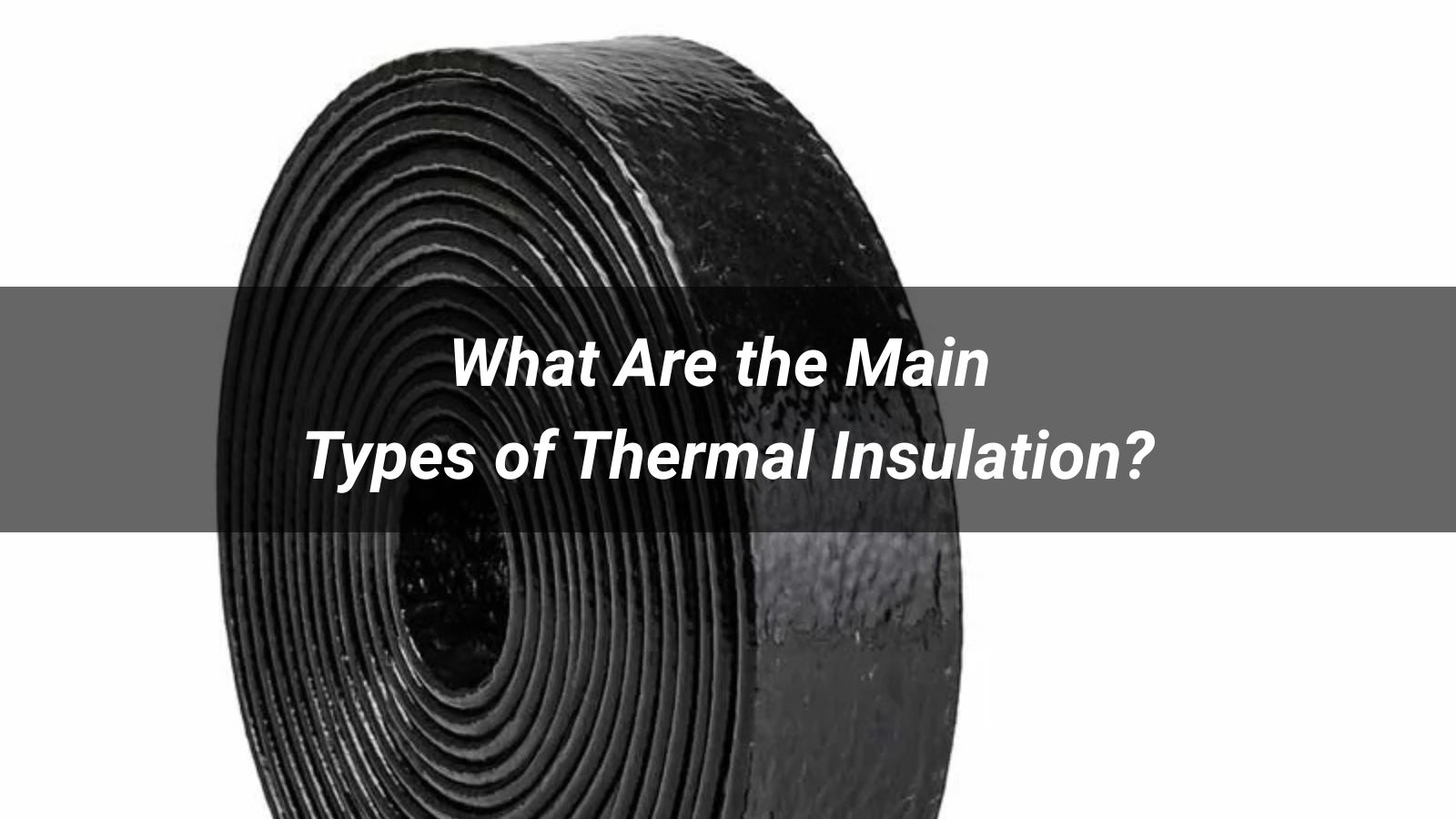
Types of thermal insulation have become a key consideration in modern construction and industrial applications as energy efficiency requirements continue to increase. Choosing the right insulation solution can directly affect heat control, operating costs, and long-term performance.
Thermal insulation materials vary in structure, performance, and application. This article explains the main insulation types, including their advantages and typical uses, helping different users make informed decisions.
This guide explores the core concepts, common materials, and selection factors behind thermal insulation, showing why the right choice matters for different environments. Continue reading to find the most suitable insulation solution for your needs.
Thermal insulation materials are designed to slow down heat transfer and help maintain stable temperatures. Different materials work in different environments, from residential buildings to industrial equipment.
The most common thermal insulation materials include fiberglass, mineral wool, spray foam, foam board, cellulose, and reflective insulation. Each material has unique advantages in terms of thermal performance, fire resistance, moisture control, and installation method.
The right choice depends on where the insulation will be used and what performance is required.
For example: A homeowner insulating an attic may focus on cost and energy savings, while a factory protecting a high-temperature pipeline may need fire resistance and long-term durability.
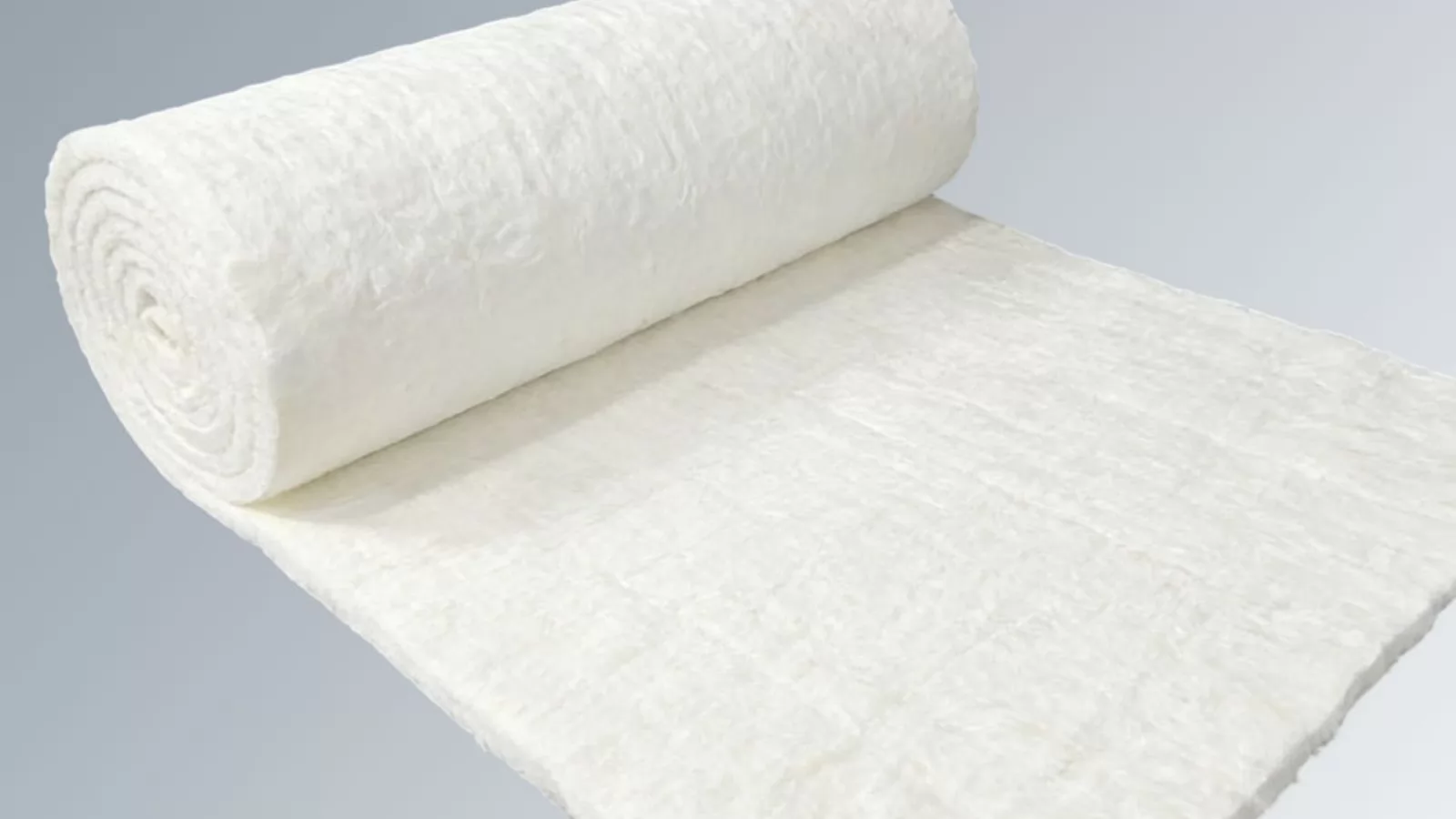
Fiberglass insulation is one of the most widely used insulation materials in construction.
It is made from fine glass fibers that trap air pockets. These tiny air spaces reduce heat movement and improve energy efficiency.
Common forms include:
Its main advantages are affordability and availability. It is commonly installed in walls, ceilings, attics, and floors.
Imagine a cold winter morning in a house with an uninsulated attic. Warm air escapes upward, leaving rooms uncomfortable. Adding fiberglass insulation helps keep indoor heat where it belongs.
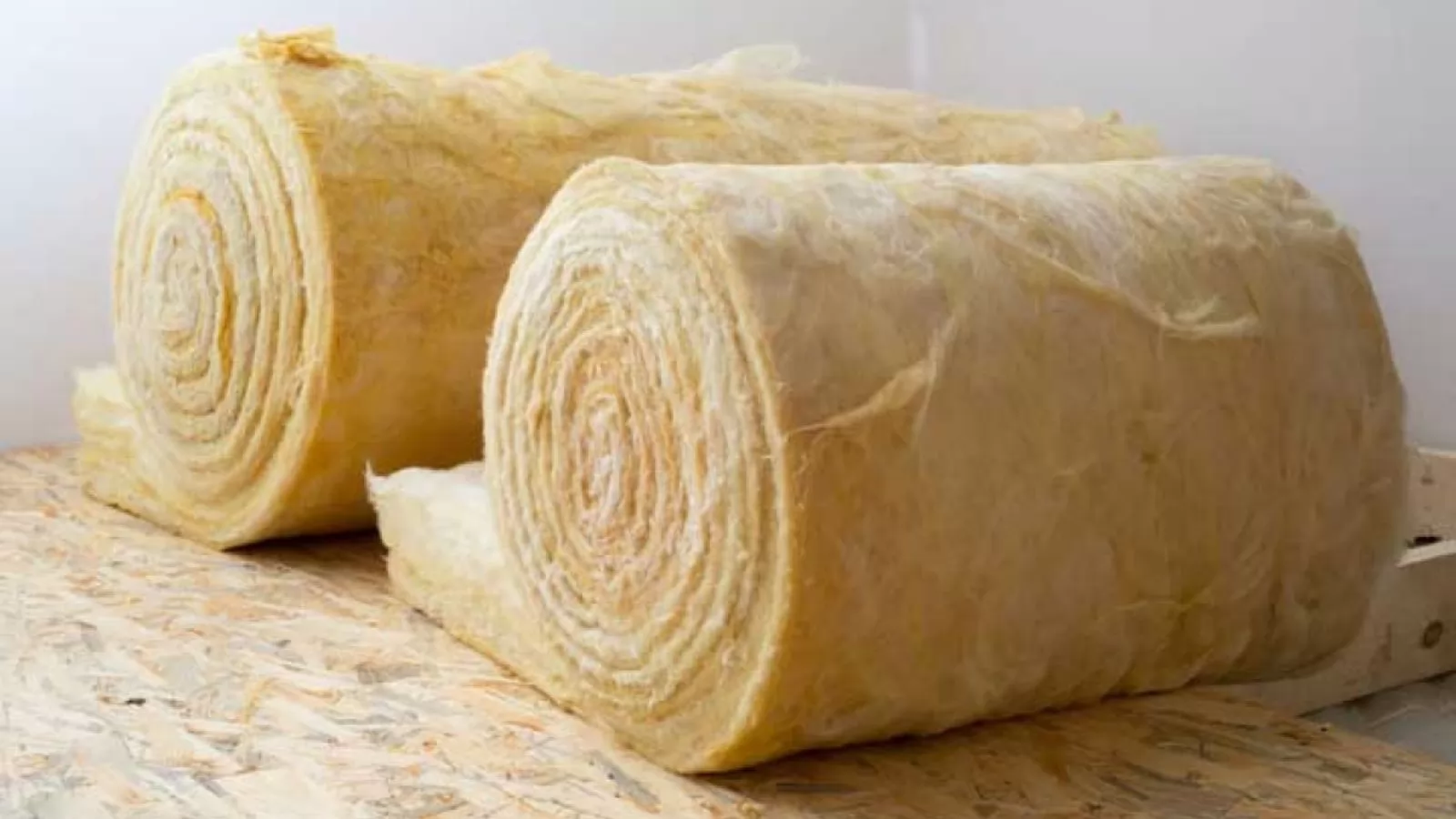
Mineral wool insulation, also called rock wool insulation, is made from natural rock or industrial by-products melted into fibers.
It is widely used where fire protection and sound control are important.
In commercial buildings, mineral wool is often used around walls, ceilings, and mechanical systems because it can withstand demanding conditions.
Real-world example: In a factory with hot equipment running every day, insulation must do more than reduce heat loss. It must also remain stable when exposed to high temperatures.
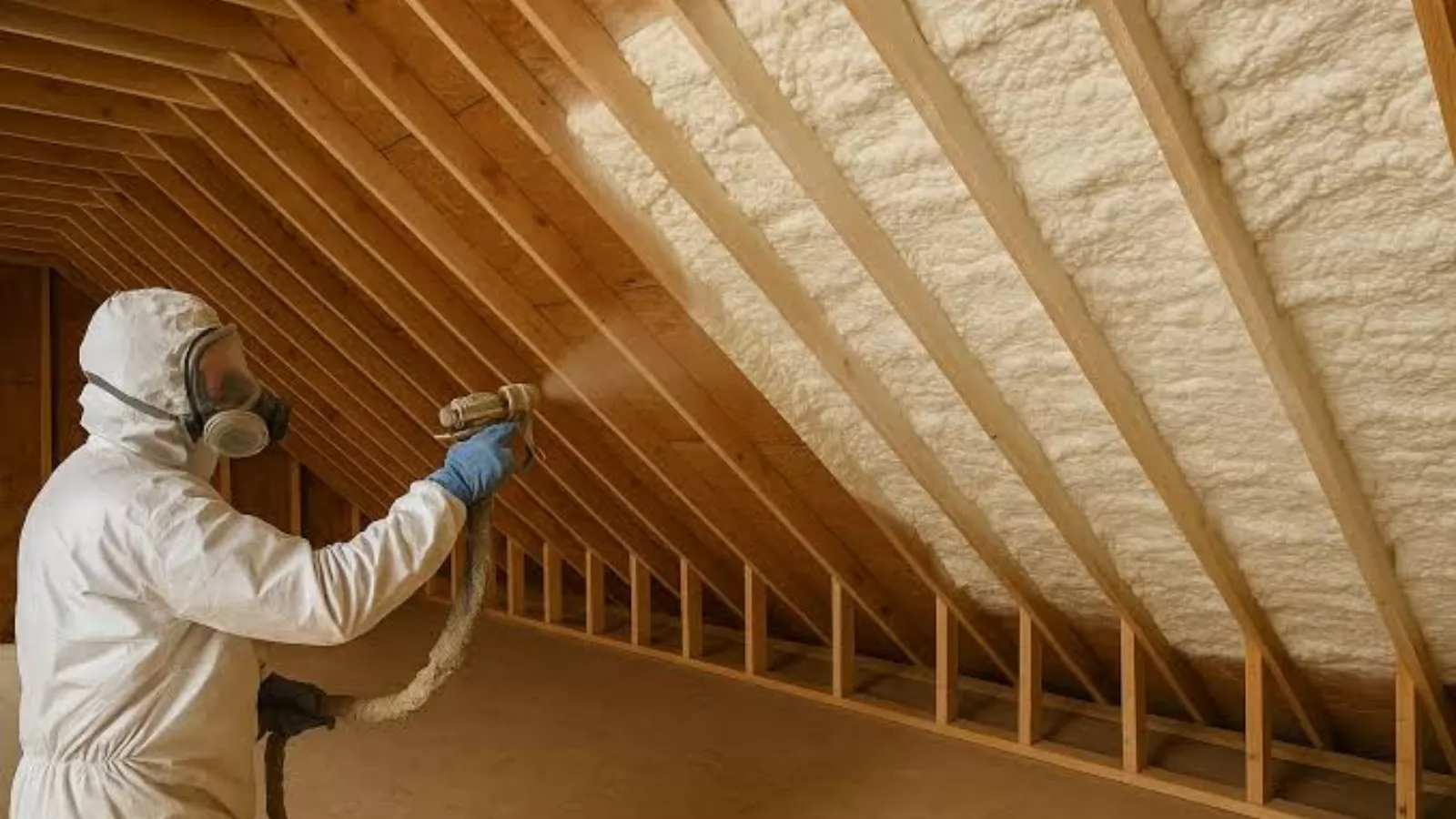
Spray foam insulation is a liquid material that expands after application and fills gaps, cracks, and uneven spaces.
There are two common types:
Closed-cell spray foam provides excellent insulation performance and also helps control moisture and air leakage.
It is often used in roofs, walls, crawl spaces, and areas where traditional insulation is difficult to install.
Think of an old building with small gaps around pipes and corners. Spray foam can expand into these hidden spaces, creating a more complete insulation layer.
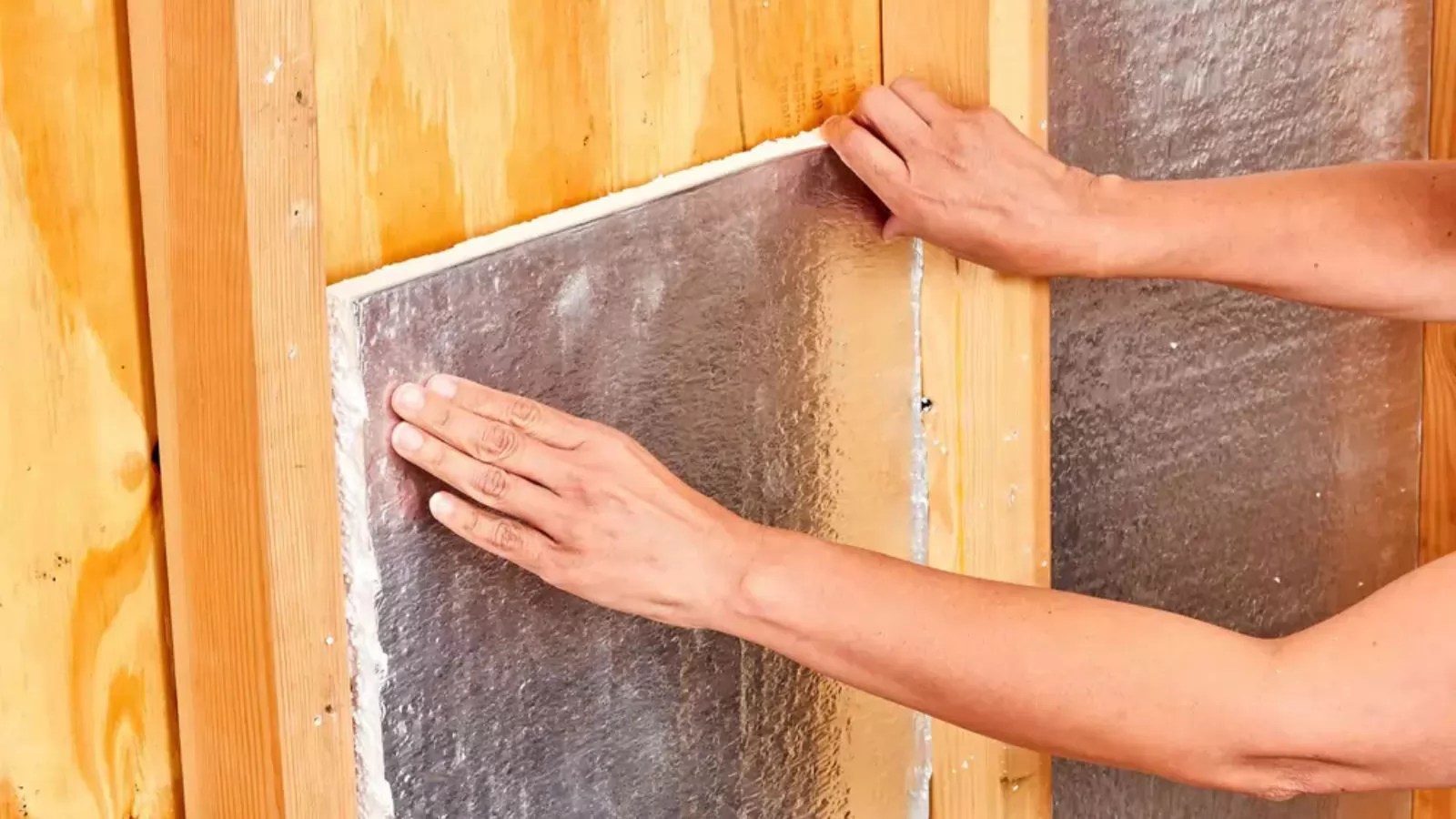
Foam board insulation is a rigid insulation material commonly used in building envelopes.
Popular types include:
These materials provide high insulation value while using relatively little space.
They are often installed on exterior walls, roofs, foundations, and floors.
A practical example: In a small building where wall thickness is limited, rigid foam boards can improve thermal performance without taking away much interior space.
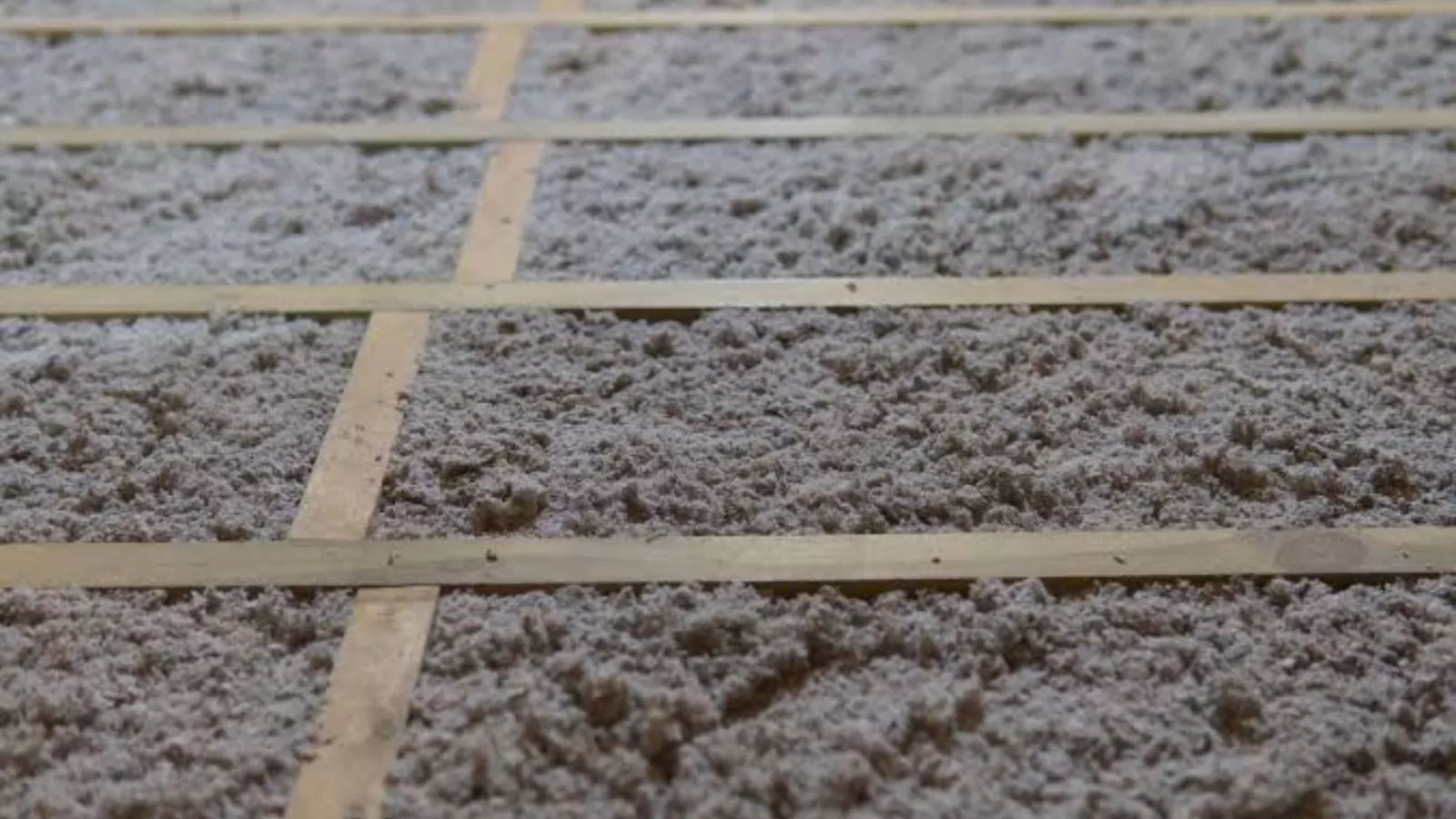
Cellulose insulation is mainly made from recycled paper fibers treated with fire-resistant additives.
It is considered an eco-friendly insulation material because it uses recycled content.
During installation, loose cellulose fibers can fill small gaps around structures, helping reduce unwanted heat movement.
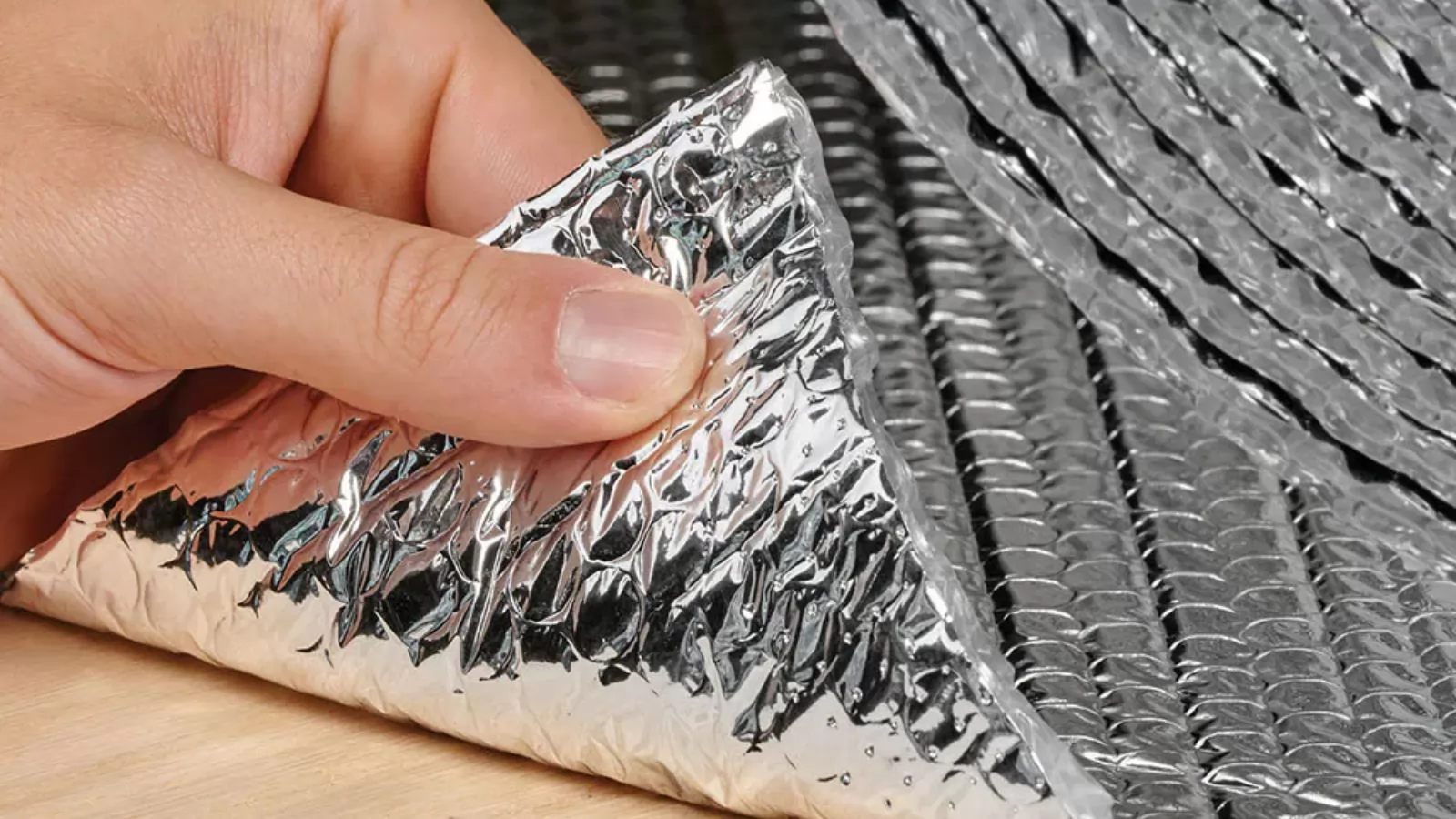
Reflective insulation works differently from traditional insulation materials.
Instead of mainly slowing conduction, it reflects radiant heat away from a surface.
It is commonly used in:
This type of insulation is especially useful in areas with strong sunlight. For example, a metal roof exposed to summer heat can become extremely hot. Reflective insulation helps reduce the amount of heat entering the building.
Different insulation materials offer different levels of performance. The following comparison provides a quick overview.
| Material | Main Advantages | Common Applications |
|---|---|---|
| Fiberglass | Affordable, widely available, easy to install | Walls, ceilings, attics |
| Mineral Wool | Fire resistant, durable, sound absorbing | Industrial buildings, commercial construction |
| Spray Foam | High insulation value, excellent air sealing | Roofs, walls, gaps and cavities |
| Foam Board | High thermal performance, moisture resistant | Exterior walls, floors, foundations |
| Cellulose | Recycled material, good cavity filling | Attics and wall spaces |
| Reflective Insulation | Reduces radiant heat gain | Roofs and hot climate applications |
Each insulation material has a suitable application. Choosing the right option requires considering temperature conditions, building structure, budget, and performance requirements.
Different thermal insulation materials are designed for different environments. There is no single material that works best for every project.
The main differences usually come from:
For example, a warehouse storing temperature-sensitive products may need durable insulation with moisture protection, while a residential attic project may focus more on cost and easy installation.
The table below shows how common insulation materials compare in several key areas.
| Material | Thermal Performance | Fire Resistance | Moisture Resistance | Typical Applications |
|---|---|---|---|---|
| Fiberglass | Good | Good | Moderate | Walls, ceilings, attics |
| Mineral Wool | Good | Excellent | Good | Industrial buildings, HVAC systems, commercial construction |
| Spray Foam | Excellent | Moderate | Excellent | Roofs, walls, air sealing applications |
| Foam Board | Excellent | Moderate | Excellent | Exterior walls, floors, foundations |
| Cellulose | Good | Moderate | Moderate | Attics and wall cavities |
| Reflective Insulation | Application dependent | Good | Good | Roofs and hot climate areas |
When selecting insulation materials, performance should always be considered together with the working environment.
Example: A cold storage facility requires insulation that limits heat transfer and controls moisture. A material that works well in a dry attic may not provide the same results in a humid industrial environment.
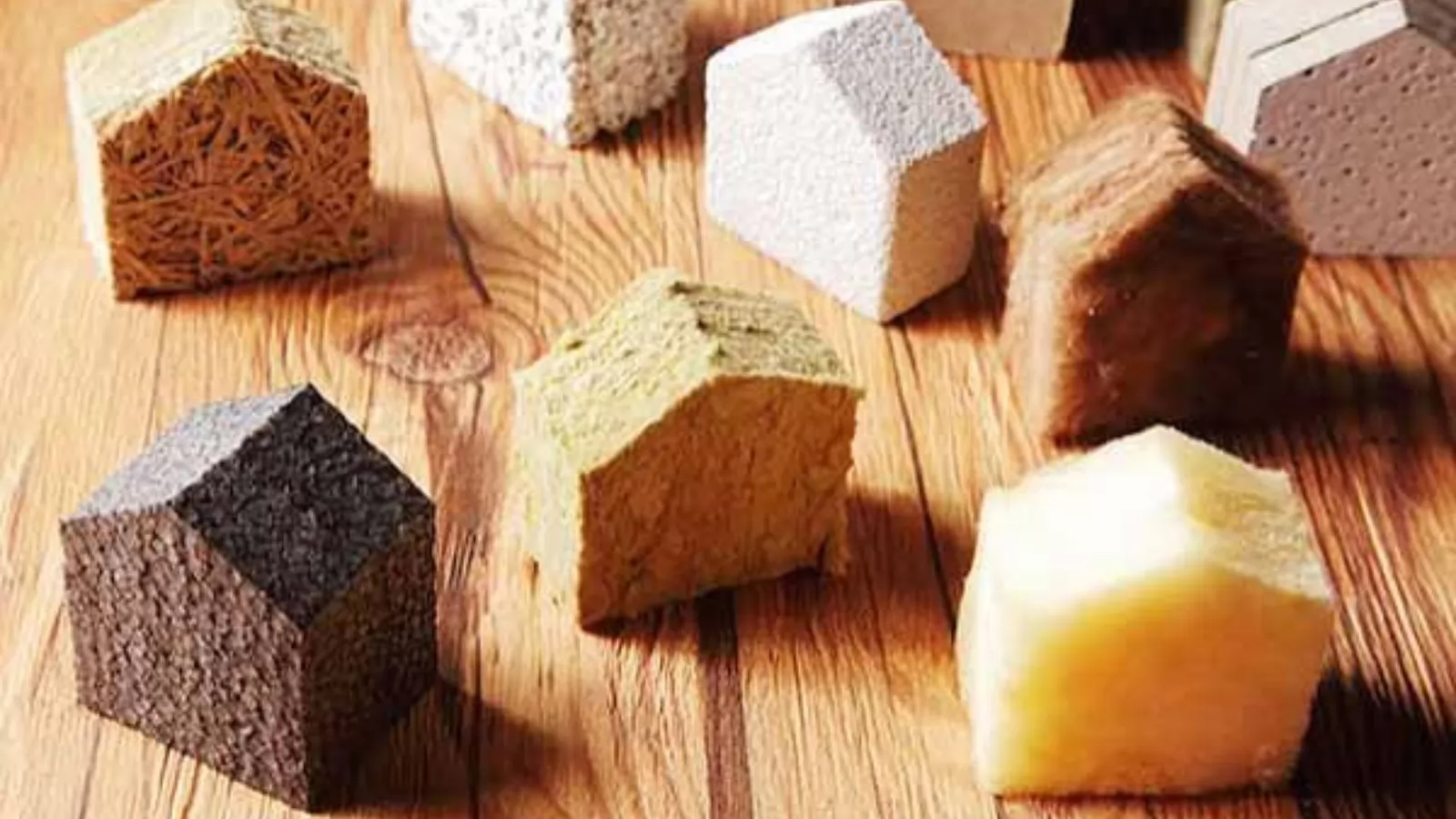
The “best” thermal insulation material depends on the specific application.
A material with the highest insulation value may not always be the most suitable choice. Factors such as temperature range, installation space, fire requirements, and operating conditions all affect the final decision.
Materials such as spray foam and rigid foam boards generally provide high insulation performance because they have low thermal conductivity.
They can achieve strong thermal resistance with a thinner insulation layer.
For limited spaces, high-performance foam insulation is often a practical solution.
For example, in a building renovation project, there may be only a small space available inside walls. A high-performance insulation material can improve energy efficiency without requiring major structural changes.
High-temperature environments require insulation materials that can maintain performance under heat exposure.
Common choices include:
These materials are often used for:
Industrial example: A hot pipeline in a manufacturing plant continuously loses heat during operation. Proper insulation helps maintain process temperatures and reduces unnecessary energy consumption.
For residential and commercial buildings, the best insulation choice depends on climate, building design, and budget.
Common options include:
A well-designed insulation system often combines different materials to achieve better overall performance.
Before selecting insulation materials, consider the following factors:
The right thermal insulation solution balances performance, cost, durability, and application requirements.
Thermal insulation materials are used in many industries to control heat transfer, improve energy efficiency, and maintain stable operating temperatures.
From residential buildings to industrial equipment, insulation helps reduce heat loss in cold environments and limit heat gain in hot conditions.
Building insulation is one of the most common applications of thermal insulation materials.
Insulation is typically installed in:
The main purpose is to create a more comfortable indoor environment while reducing heating and cooling energy consumption.
Example: In a house located in a cold region, poor insulation can allow warm air to escape through the roof. A properly insulated attic helps keep rooms warmer and reduces the workload of heating systems.
Industrial environments often require insulation materials that can handle extreme temperatures and demanding conditions.
Common applications include:
In these applications, insulation is not only about energy savings. It also helps protect equipment performance and improve workplace safety.
Real-world example: A steam pipeline in a factory can lose a large amount of heat during operation. Proper insulation keeps the steam temperature stable and reduces wasted energy.
Heating, ventilation, and air conditioning systems rely on insulation to improve efficiency.
Insulation is commonly used on:
Without proper insulation, heat exchange can occur along the system, reducing performance and increasing operating costs.
Thermal insulation plays an important role in reducing energy consumption.
By limiting unwanted heat transfer, insulation helps:
As energy efficiency becomes increasingly important, high-performance insulation materials are being used in more construction and industrial projects.
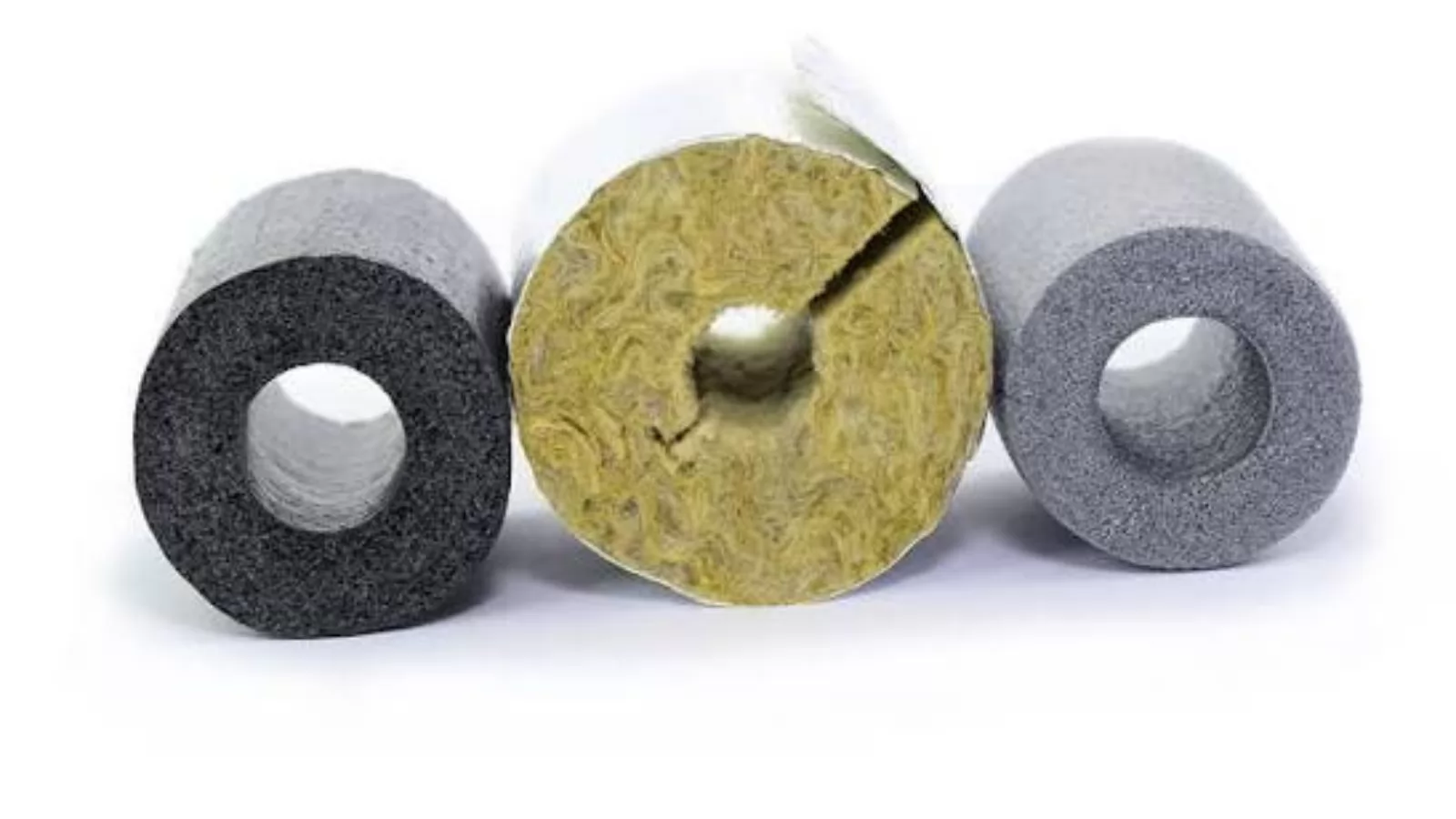
Choosing the right thermal insulation material requires more than comparing insulation values.
The best option depends on the environment, performance requirements, and installation conditions.
The first step is understanding the temperature range of the application.
Different environments require different insulation solutions.
Temperature resistance is especially important for industrial applications. Choosing unsuitable insulation may reduce service life and performance.
Thermal performance is usually measured by factors such as thermal conductivity and R-value.
Materials with lower thermal conductivity generally provide better resistance to heat transfer.
For example:
The surrounding environment can strongly affect insulation performance.
Important considerations include:
Example: Insulation used on outdoor equipment must resist moisture and weather exposure. A material designed only for dry indoor spaces may not perform well in this situation.
The installation method can affect the final performance of insulation.
Some materials are easy to install in standard spaces, while others require professional application.
Consider:
The cheapest insulation material is not always the most economical choice.
A higher-performance insulation solution may reduce energy costs and maintenance expenses over time.
When selecting thermal insulation materials, consider both the initial investment and long-term value.
The most common types include fiberglass, mineral wool, spray foam, foam board, cellulose, and reflective insulation. Each material has different advantages depending on the application.
There is no single best material for every situation. Spray foam and rigid foam offer high thermal performance, while mineral wool is often preferred for fire resistance.
Mineral wool, ceramic fiber, and other specialized industrial insulation materials are commonly used for high-temperature environments.
Consider factors such as operating temperature, thermal performance, moisture resistance, fire requirements, installation conditions, and long-term cost.
Thermal insulation helps reduce heat loss, improve energy efficiency, maintain stable temperatures, and lower operating costs.
Thermal insulation materials play an important role in improving energy efficiency, protecting equipment, and maintaining stable temperatures in different environments. From buildings to industrial systems, choosing the right insulation solution depends on factors such as temperature requirements, durability, fire safety, and application conditions.
As an experienced insulation solution provider, LXHTR supplies high-quality thermal insulation products designed for various industrial and engineering applications. Based in China, LXHTR focuses on delivering reliable insulation solutions with competitive manufacturing capabilities and professional technical support.
If you are looking for suitable thermal insulation materials for your project, contact LXHTR today. Our team can help you select the right solution based on your working conditions and performance requirements.